


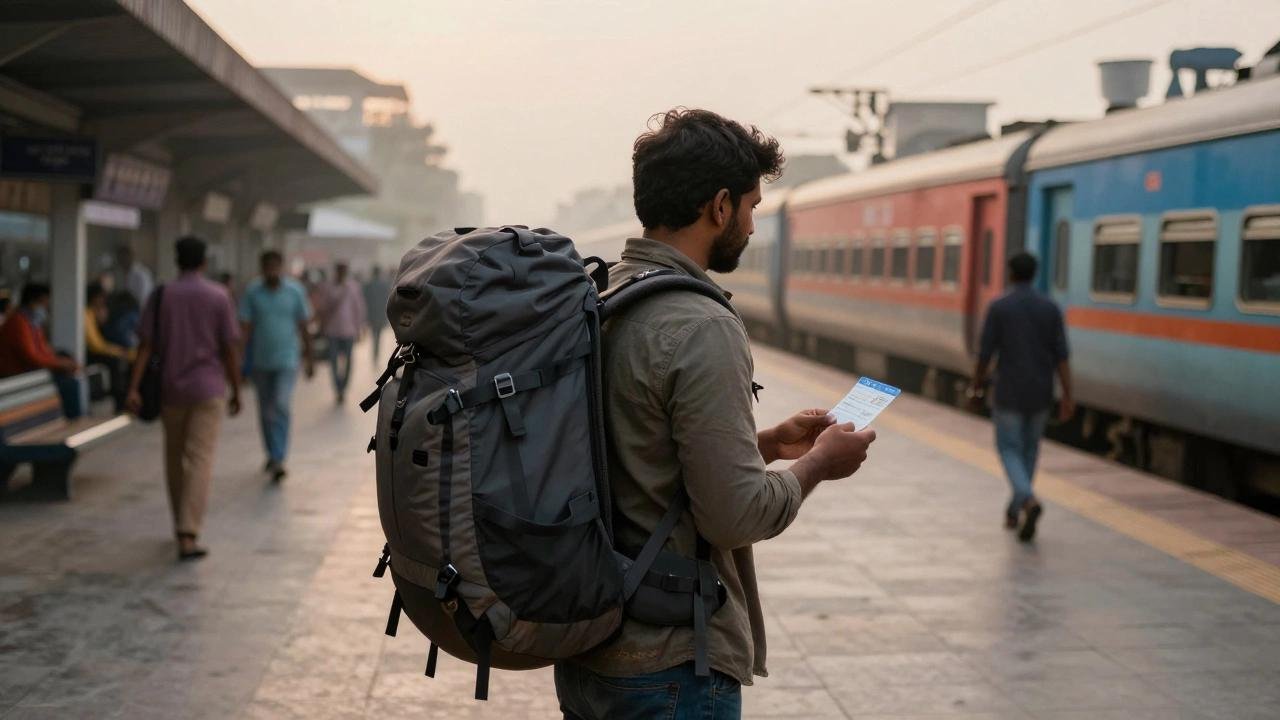
5 Essential Budget Travel Itineraries in India with Real Costs
Most people don’t skip a trip because they don’t want to go.
They skip it because the numbers look scary.
For budget travel itineraries India, Goa trip costs vary from ₹6,000 to ₹60,000.
Nobody tells you which figure is realistic for a good holiday without a loan.
A budget travel itineraries India plan fixes that problem. It is a day-by-day plan that tells you where you will go. It shows how you will get there, where you will sleep, and costs. You know your total before you book a single ticket.
Below are five itineraries I would happily follow myself: Goa, Manali, Rishikesh, Jaipur and Hampi. All costs are per person, based on 2026 prices, and they leave out the fare to reach your starting city unless I say otherwise. Prices move with the season, so treat every number as a working range, not a promise. Check the latest rates before you pay.
What makes a good budget itinerary?
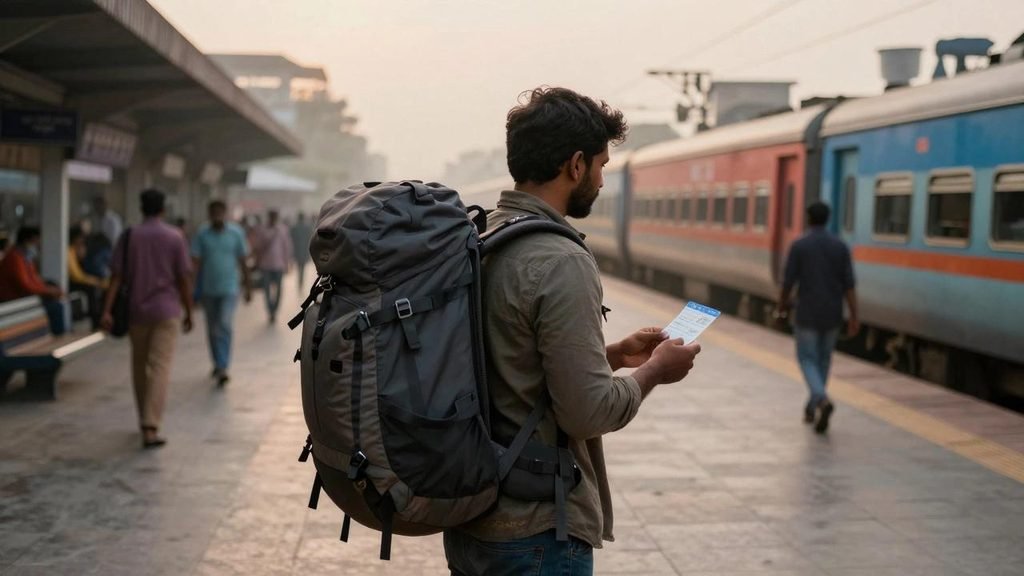
A good budget itinerary keeps travel time short, stays simple and eats local. It groups sights that are close to each other, uses public transport or shared rides where possible, and leaves a small cushion for things that go wrong. If a plan has you changing hotels every night or taking a private cab everywhere, it isn’t a budget plan, however cheap the hotel looks.
How to build your own budget itinerary in 5 steps
You can use my plans as they are, but it helps to know how to make one for any place.
- Fix your total first. Decide the maximum you are willing to spend, then work backwards. A trip planned around ₹10,000 looks very different from one planned around ₹25,000.
- Pick one base. Staying in one town for three or four nights costs far less than moving every day. You save on check-in hassle, luggage and transport.
- Book the big costs early. Trains and buses are your biggest expense. Indian Railways opens bookings 60 days ahead, and the cheapest berths go first.
- Group sights by location. Open the map and cluster places within a short ride of each other. Backtracking is where budgets quietly die.
- Add a 10 percent buffer. Something always costs a bit more than you expected. A cushion keeps one surprise from ruining the rest of the trip.
Where your money actually goes
On most budget trips in India, transport takes the biggest bite, usually a third or more of your spending.
For budget travel itineraries India, staying comes next, then food, then activities.
That is a rough rule from experience, not a law.
It tells you where to look first when you want to cut costs.
Changing your train class or traveling midweek will save you more than skipping a few meals ever will.
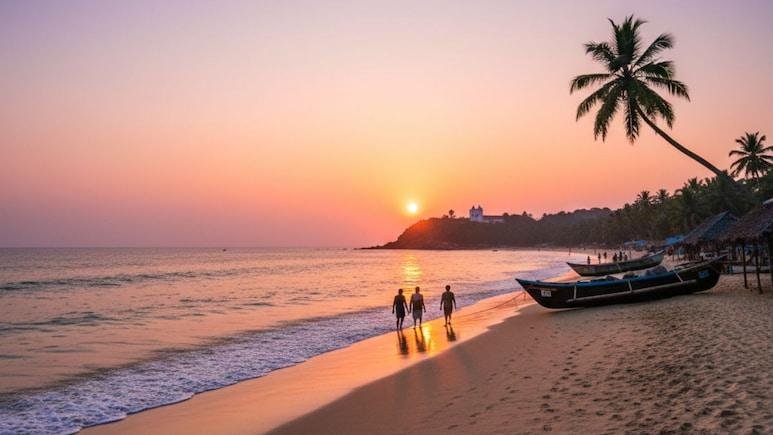
Itinerary 1: Goa in 4 days (₹7,500 to ₹10,500)
Best time: November to February. Base: North Goa (Anjuna, Vagator or Baga).
Day 1: Arrive and settle in. Check into a hostel or guesthouse; dorm beds usually run ₹600 to ₹1,000 a night. Rent a scooter for the stay at about ₹400 to ₹500 a day. Walk up to Chapora Fort in the evening for the sunset, then eat a fish thali or a simple shack meal for ₹250 to ₹400.
Day 2: Old Goa and Panjim. Visit the Basilica of Bom Jesus and the Se Cathedral in Old Goa. Entry to the churches is free. Drive on to Panjim and spend the afternoon walking the colorful lanes of Fontainhas. Finish at Miramar beach.
Day 3: South Goa. Ride down to Palolem or Cola beach. The roads are good and the crowd is thinner than up north. Swim, eat early and head back before dark.
Day 4: Market and goodbye. Pick up spices and cashews at the local market in Mapusa, which runs on Fridays, then check out and head home.
Cost breakdown: stay for 3 nights ₹2,400 to ₹3,600; scooter and petrol ₹2,000 to ₹2,600; food ₹1,800 to ₹2,600; entry fees and extras ₹1,000 to ₹1,500.
Money tip: Avoid December 24 to January 1. Prices for the same bed can double.
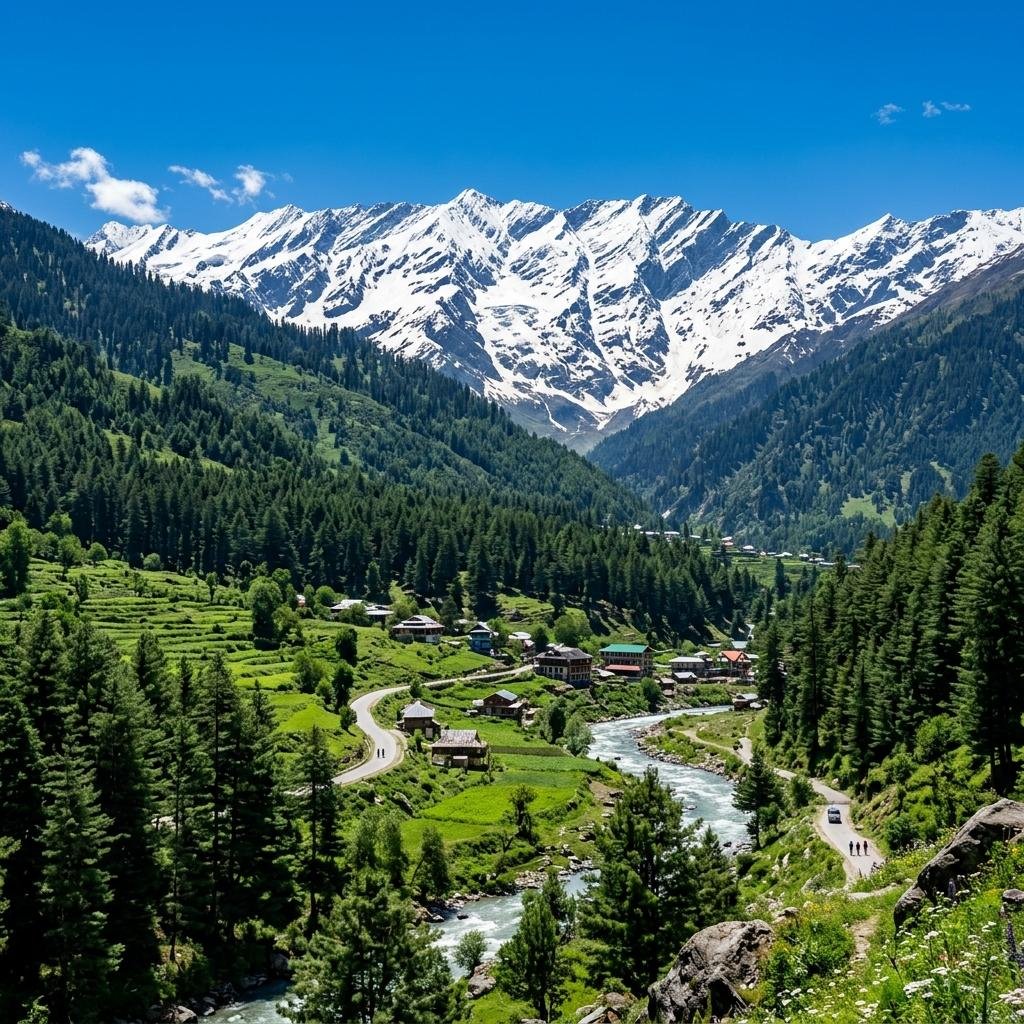
Itinerary 2: Manali in 5 days (₹10,000 to ₹15,000)
Best time: March to June, and October to November for clear skies. Starting point: Delhi.
Day 1: Overnight bus and arrival. Take an overnight bus from Delhi. Government and private buses cost roughly ₹1,000 to ₹2,000 each way. Reach Manali in the morning, rest, then walk Mall Road in the evening and visit Hadimba Temple.
Day 2: Old Manali. Cross the river to Old Manali, which is cheaper and calmer for stays and food. Hike to Jogini Falls and spend the afternoon in a cafe with a view.
Day 3: Solang Valley and the Atal Tunnel. Share a cab with other travelers to Solang. Skip the paid add-ons if you are tight on money; the scenery is the real draw. If the road is open, continue through the Atal Tunnel to Sissu.
Day 4: Naggar and Vashisht. Visit Naggar Castle and the Roerich art gallery, then soak in the hot springs at Vashisht in the evening.
Day 5: Return. Take the evening bus back to Delhi.
Cost breakdown: round-trip bus ₹2,000 to ₹4,000; stay for 4 nights ₹2,800 to ₹4,800; food ₹2,500 to ₹3,000; local transport ₹1,500 to ₹2,500; one paid activity ₹1,000 to ₹2,500.
Money tip: Rohtang Pass needs a permit and is closed for much of the year. Check the current rules before you plan around it.
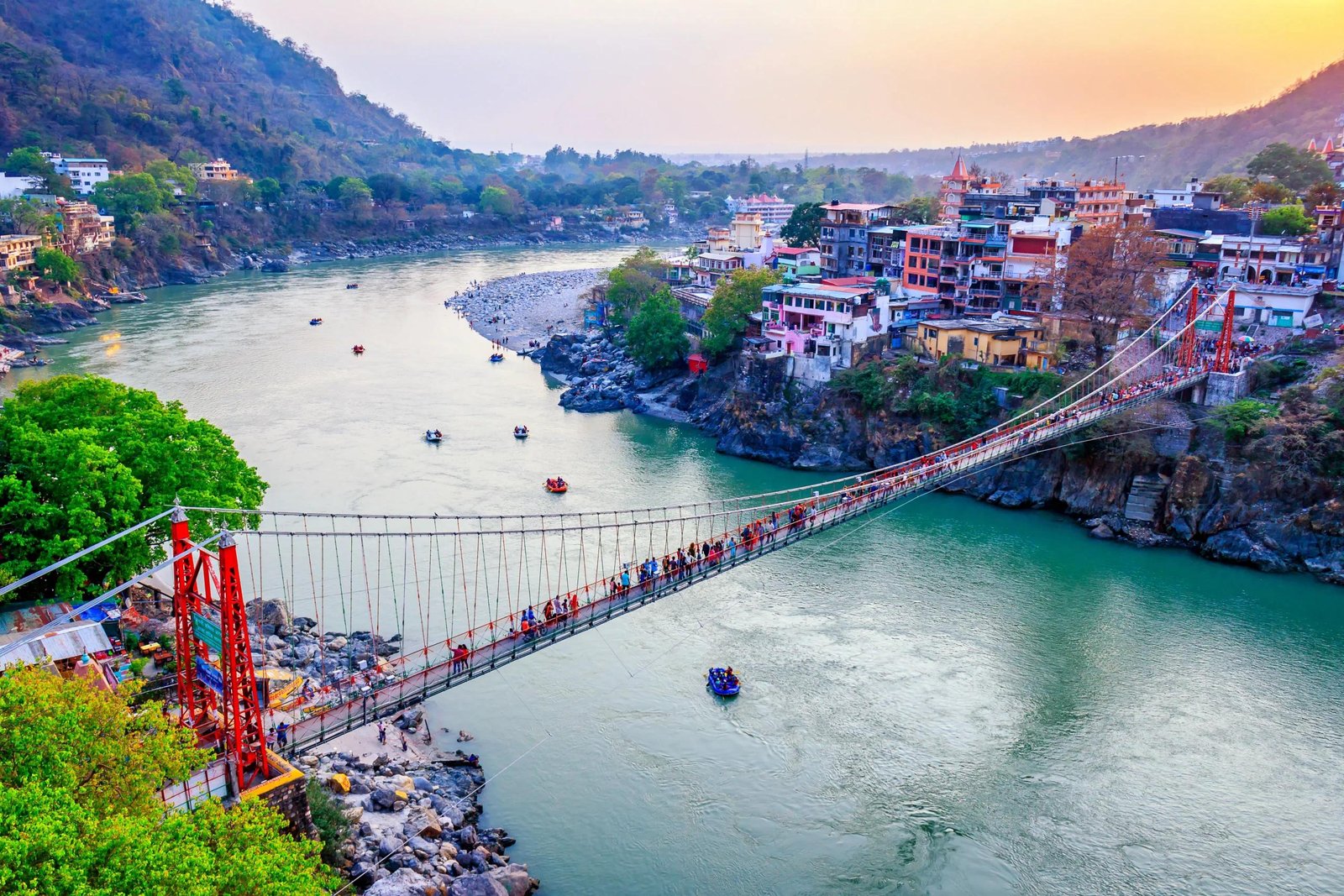
Best time: September to November and February to April. Starting point: Delhi.
Day 1: Ghats and aarti. Reach Haridwar by train, which costs ₹200 to ₹500, then take a bus or shared auto to Rishikesh. Walk across Ram Jhula and Laxman Jhula, then attend the evening Ganga aarti at Triveni Ghat. It is free, and it is the best hour of the day here.
Day 2: Rafting and waterfall. Book a short rafting stretch for ₹500 to ₹1,500, depending on distance and season. In the afternoon, trek to Neer Garh waterfall, a gentle walk with a cool pool at the end.
Day 3: Yoga and a slow morning. Join a drop-in yoga session, which many ashrams and studios offer for ₹300 to ₹600. Visit the old ashram area, have a long breakfast and head back.
Cost breakdown: travel ₹800 to ₹1,500 round trip; stay for 2 nights ₹1,200 to ₹2,000; food ₹1,200 to ₹1,800; activities ₹1,000 to ₹2,000.
Money tip: Rafting prices drop sharply outside peak weekends. Book on a Tuesday or Wednesday if you can.
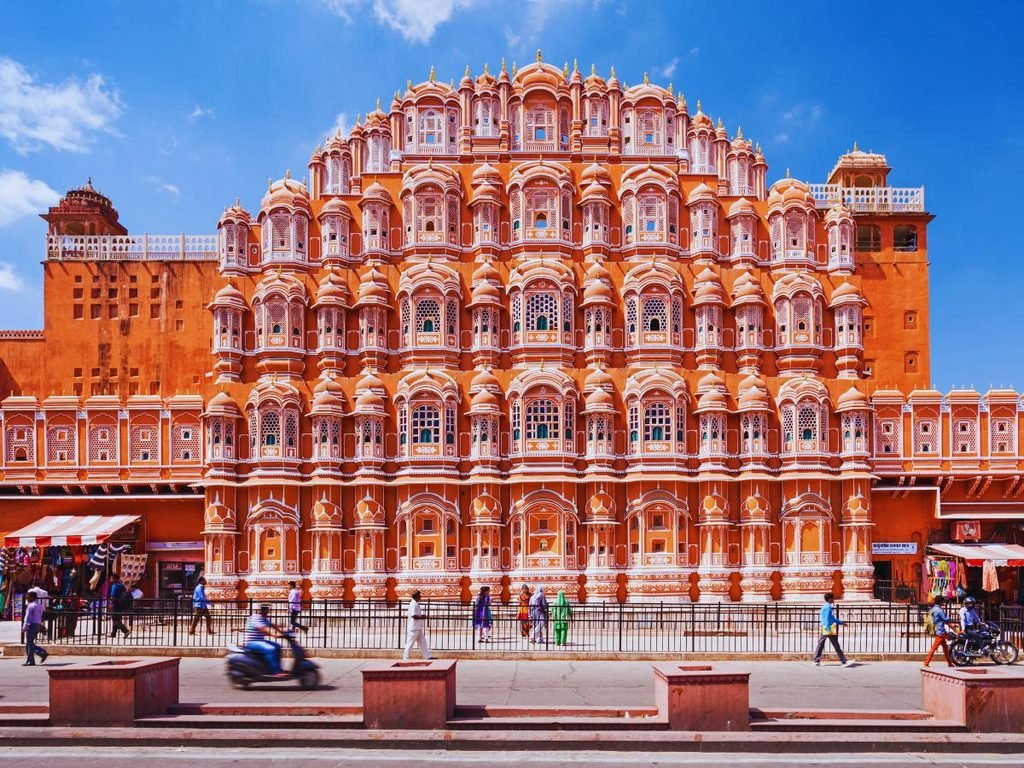
Itinerary 4: Jaipur in 3 days (₹6,000 to ₹8,500)
Best time: October to March. Starting point: Delhi.
Day 1: The old city. Arrive by train or bus, which usually costs ₹300 to ₹800. See Hawa Mahal from the street, then visit City Palace and Jantar Mantar. Spend the evening at Bapu Bazaar for textiles and juttis; bargain politely and start at about half the quoted price.
Day 2: Forts. Start early at Amber Fort to beat the heat and the crowds. Move on to Jaigarh and Panna Meena ka Kund, then catch the sunset at Nahargarh. Ask at the counter whether a composite ticket covers the monuments you plan to visit; it can save money.
Day 3: Slow morning. Walk through Albert Hall Museum, visit Birla Mandir, and have a kulhad of lassi at a local shop on MI Road before you leave.
Cost breakdown: travel ₹600 to ₹1,600 round trip; stay for 2 nights ₹1,400 to ₹2,400; food ₹1,200 to ₹1,800; entry tickets ₹500 to ₹1,000; auto and local transport ₹800 to ₹1,200.
Money tip: Use app-based autos or agree on the fare before you sit. It avoids the arguments and the tourist price.
10 simple ways to cut your travel cost
- Travel midweek. Fares and room rates are often lower from Tuesday to Thursday.
- Avoid peak season. Shoulder months give you good weather with fewer crowds and lower prices.
- Choose sleeper trains and state buses. They are the best value on most routes.
- Stay in hostels or homestays. You get a clean bed, and often useful local advice.
- Eat where locals eat. A full thali is cheaper, fresher and more filling than a tourist menu.
- Carry a refillable bottle. Bottled water adds up faster than you think.
- Share cabs. Splitting a ride with two or three people cuts the cost sharply.
- Look for free sights. Ghats, old churches, viewpoints and many temples cost nothing.
- Keep small notes handy. Autos, tea stalls and local buses rarely have change.
- Track your spending daily. A two-minute note each night shows you exactly where you stand.
Common budget travel mistakes
The biggest one is counting the room rate and forgetting the transport. A cheap hotel in a remote place can cost more once you add taxi fares. The second is packing too much into too few days; you end up paying for fast, expensive travel to save time. The third is ignoring the weather. A cheap monsoon trip to a landslide-prone hill road is not a bargain if you get stuck for two extra nights.
Frequently asked questions
How much does a budget trip in India cost?
A simple 3 to 5 day trip usually costs ₹5,000 to ₹15,000 per person, depending on the destination, the season and how far you travel from home.
Which is the cheapest place to travel in India?
Rishikesh, Hampi and many small towns in Rajasthan and Uttarakhand are among the most affordable, because stays and food cost less and sights are close together.
Can I travel in India for ₹10,000?
Yes. Rishikesh, Jaipur, Hampi and a short Goa trip all fit within this amount if you travel by train or bus, stay in hostels and eat local food.
What is the best month for budget travel?
Shoulder months such as early October, late February and March tend to give pleasant weather with lower prices than peak holiday weeks.
How early should I book travel for a budget trip?
Book trains as soon as the 60-day window opens, and buses at least a week or two ahead for popular routes.
Final thoughts
You don’t need a big budget to see India well. You need a clear plan, a realistic number and a bit of flexibility. Pick one of the itineraries above, adjust it to your dates, and write down your costs as you go. The next trip will be easier to plan, and cheaper, because you will already know where your money goes. Got a budget trip of your own that worked well? Share your route and your total in the comments, and it might help the next reader plan theirs.

